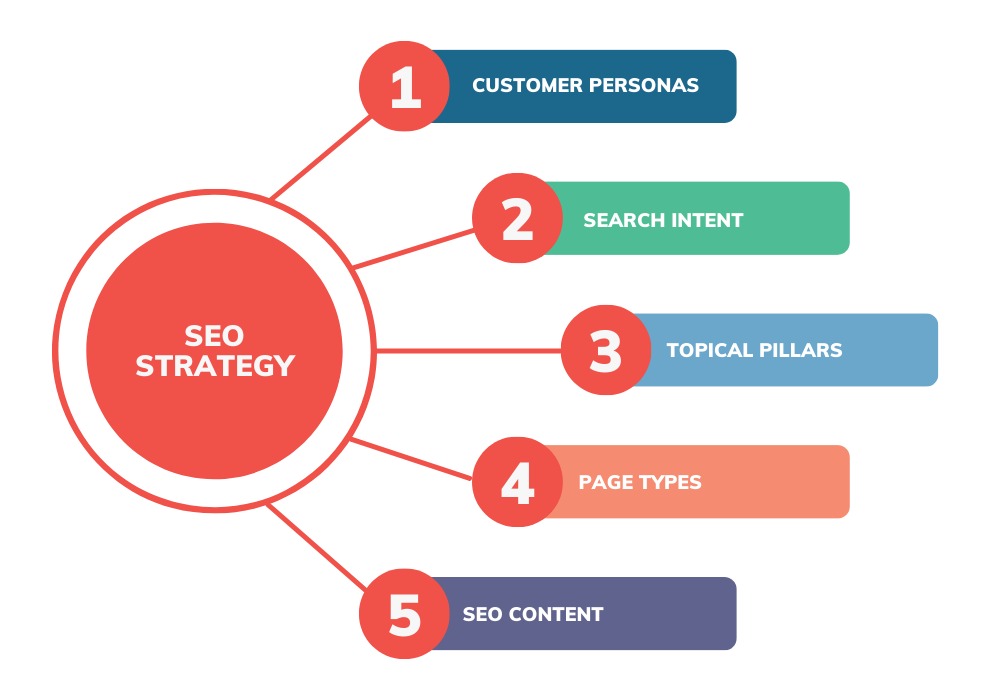
SEO and Its Strategies Complete Guide to Ranking Higher in Search Engines 2025
In today’s digital world, everyone wants their website to appear at the top of Google search results. Whether you run a blog, eCommerce store, or a business website, understanding SEO and its strategies is key to growing online visibility. SEO (Search Engine Optimization) helps your content reach the right audience organically without paid ads.
This guide will walk you through everything you need to know about SEO and its strategie, from the basics to the most effective techniques you can implement today.
What is SEO?
Search Engine Optimization (SEO) is the process of optimizing your website to appear higher in search engine results pages (SERPs). The goal is to bring organic traffic (non-paid visitors) by improving your content’s relevance, structure, and authority.
Simply put, SEO helps Google and other search engines understand your content better and recommend it to users who are searching for related information.
Why SEO is Important
Before diving into SEO and its strategies, it's essential to know why SEO matters:
- Long-term ROI: Unlike ads, organic traffic has lasting results
- Increases visibility: Appearing on the first page gets more clicks
- Drives quality traffic: Attracts users actively searching for your offerings
- Builds trust and authority: Higher rankings build credibility
Key SEO Strategies to Boost Rankings
Here are the most important SEO strategies that professionals use to improve their website’s performance:
Keyword Research
This is the starting point of every SEO campaign. You must find what your audience is searching for.
Best practices:
- Use tools like Google Keyword Planner or Ubersuggest
- Focus on long-tail keywords
- Choose keywords with high search volume and low competition
- Make sure to naturally integrate the keyword “SEO and its strategies” in your content
On-Page SEO
On-page SEO involves optimizing individual web pages to rank better and earn more traffic.
Key elements include:
- Optimized title tags and meta descriptions
- Proper use of H1, H2, H3 headings
- SEO-friendly URLs
- Using the main keyword “SEO and its strategies” in the first 100 words
- High-quality, engaging content
- Internal linking to relevant pages
High-Quality Content Creation
Search engines love content that adds value to the user. This is one of the most critical components of SEO and its strategies
Tips for content optimization:
- Use your target keyword naturally throughout the article
- Avoid keyword stuffing
- Structure your content with bullet points and subheadings
- Update old content regularly
- Focus on solving user problems and answering their questions
Technical SEO
Technical SEO ensures that search engines can properly crawl and index your website.
Technical SEO checklist:
- Use HTTPS for secure browsing
- Improve page loading speed
- Make your site mobile-friendly
- Create an XML sitemap
- Fix crawl errors using Google Search Console
- Use canonical tags to prevent duplicate content issues
Link Building (Off-Page SEO)
Backlinks are a major ranking factor. These are links from other websites pointing to your content
Effective strategies:
- Guest posting on relevant blogs
- Reaching out to influencers and bloggers
- Creating share-worthy content like infographics
- Submitting your site to business directories
- Getting listed in local citations
User Experience (UX)
Google now focuses more on user experience. A website that’s easy to navigate, mobile-friendly, and fast is more likely to rank higher
Focus areas:
- Clean layout and clear call-to-actions
- Mobile responsiveness
- Low bounce rate
- Fast-loading pages
- Clear site structure
Local SEO (For Local Businesses)
If you have a local business, you should include Local SEO in your strategy.
Steps to follow:
- Create and optimize your Google Business Profile
- Get reviews from local customers
- Use location-based keywords like “SEO services in Karachi”
- Add consistent NAP (Name, Address, Phone) info across the web
- Build citations from local directories
Common SEO Mistakes to Avoid
Even if you're applying all SEO and its strategies, a few mistakes can hurt your performance:
- Keyword stuffing
- Ignoring mobile optimization
- Using duplicate content
- Neglecting meta tags
- Not fixing broken links
- Not updating old content
Recommended SEO Tools
To implement and track your SEO efforts, use tools like:
- Google Search Console – performance and indexing
- Google Analytics – track traffic and behavior
- Ahrefs / SEMrush – keyword and backlink research
- Yoast SEO – on-page SEO (WordPress users)
- Page Speed Insights – test site speed and performance
Conclusion
Understanding SEO and its strategies is vital for anyone who wants to succeed online. From keyword research to content optimization and link building, each strategy plays an important role in helping your site rank better and get discovered.
FAQs
Q1: What is the purpose of SEO?
SEO helps improve your website’s visibility on search engines, driving more organic traffic.
Q2: How often should I update my SEO strategy?
Review it every 3-6 months or after major algorithm updates.
Q3: Is content still the most important part of SEO?
Yes, quality content remains central to SEO success.
Q4: What are backlinks and why are they important?
Backlinks are links from other sites to yours. They signal trust and authority to search engines.
Q5: Can I learn SEO on my own?
Absolutely! Many free resources and tools are available to help you start learning SEO and its strategies
Recents

E Commerce Training Courses to Boost Your Career
Read Article →
The Best AI Automation Course for Business Growth 2026
Read Article →
NAVTTC Free Courses: Complete Guide to Skill Development
Read Article →
Best IT Institute Faisalabad 2026 The Ultimate Guide to Building a Successful IT Career
Read Article →
Best IT Short Courses in Faisalabad: A Complete Guide for 2026
Read Article →
Python Basics: The Ultimate Step by Step Guide to Master Python Programming
Read Article →