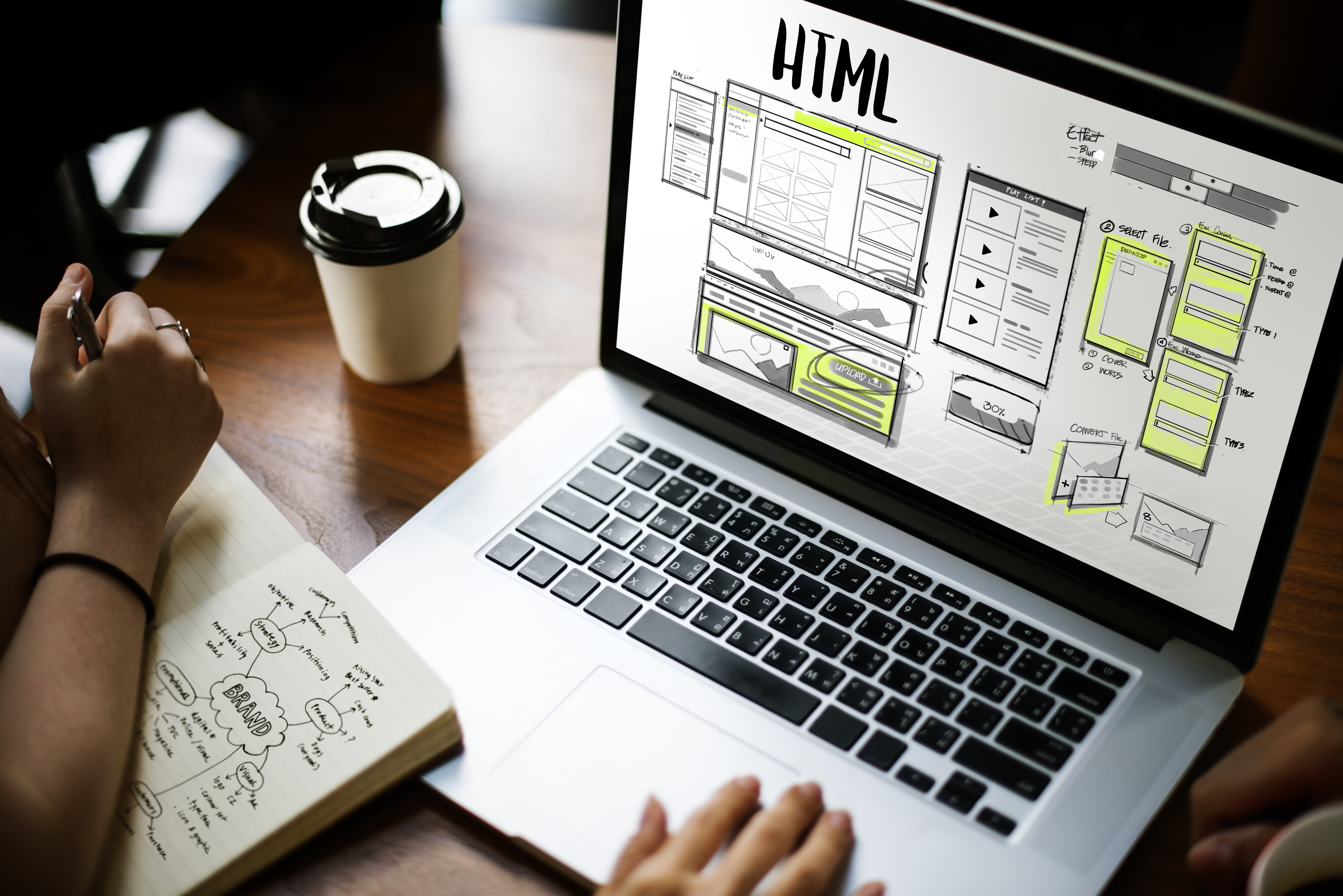
Web Site Development illustrated : A Beginner-to-Pro Guide
Development
The dynamic and broad field of website building fuels the online presence of companies, artists, and organisations. Everything from fundamental development abilities to site types, development procedures, associated services, and the best learning materials will be covered in this extensive guide. Knowing these fundamentals is vital to creating successful digital solutions, whether you're starting your computer career or designing a website.
Core Development Skills & Technologies
From front-end graphics to back-end functions and full-stack integration, core development tools and abilities serve as the technological cornerstone of web site development.
Front-End Development
The visual component of developing a website is called front-end development. It entails using JavaScript, HTML, and CSS to create user-interactive interfaces. Well-known frameworks that provide reusable components and improve development efficiency include React and Angular.
UI/UX Design and Responsive Design
UX (User Experience) and UI (User Interface) are combined in good design. Responsive design guarantees that websites work on all platforms, providing consistent desktop, tablet, and smartphone experiences.
Back-End Development
The computer's side of webpages is powered by back-end development. Programming languages including Python, Java, PHP, the use of Node and Rose are used by developers.
Important elements consist of:
- Databases: SQL and Json are both essential for organising and storing data.
- Examples of server-side frameworks are Ruby on Rails, Django, Spring, Laravel, and Express.js.
- APIs: REST and GraphQL are popular protocols used for system integration.
Full-Stack Development
By combining front-end and back-end development abilities, full-stack development enables developers to create entire web solutions from the ground up.
Mobile-First Development
Developing for mobile and growing up for bigger displays are the first steps in this method. It is essential to the creation of contemporary websites.
Types of Web site development & Solutions
Here we discuss the types of web site development and solution
E-commerce Website Development
Establishing an internet store requires a number of components:
- Management of Products
- Purchasing Carts
- Integration of Payment Gateways
Optimising the consumer's journey from exploring to checkout is another aspect of developing an e-commerce website.
Business Website Development
Landing pages for corporate websites convey brand values and produce leads. Clear CTAs, optimised design, and easy navigation are all crucial elements.
Portfolio and Informational Websites
While informational websites are used for news or education, portfolio websites are best suited for creatives. Both place a premium on quickness and clarity.
Content Management Systems
Popular CMS platforms to handle website content without extensive coding experience include WordPress, Drupal, and Joomla.
Custom Web Application Development
Custom apps are made to meet certain business requirements. These could involve data analytics, user administration, and intricate back end logic.
Single-Page Applications (SPAs)
SPAs, which are common in programs like Gmail and Trello, provide an excellent user experience by updating content without requiring page reloads.
The Development Process & Workflow
Every project proceeds successfully from initial design and planning to implementation and upkeep thanks to the creating process and processes in web site creation.
Website Planning & Strategy
A strategic plan that identifies objectives, target audience, and success measures is the first step in creating an effective website.
Requirements Gathering
By compiling technical and functional requirements, the development team can make sure that stakeholders are met.
Wire framing and Prototyping
These serve as site design and structure blueprints. Prototypes offer interactive previews, whereas wire frames depict the layout.
Web site development Design
This step includes:
- Visual Design: Branding, colours, and typefaces
- User Experience (UX): Usability and Flow
- Layout and design for interactions for the user interface (UI)
Website Coding & Implementation
Developers use databases, APIs, and front-end and back-end technology to make designs a reality.
Website Testing & Quality Assurance
QA testing guarantees cross-browser compatibility, finds errors, and evaluates performance. Frequently used tools are Cypress and Selenium.
Website Deployment
Domain login, website organising, and configuration are all necessary for the site's launch. Tools for CI/CD and version control make the process more efficient.
Website Maintenance & Support
Post-launch support includes:
- Bug fixes
- Updates for security
- Updates to content
- Monitoring performance
Related Services & Professionals
Developing a website frequently entails working with knowledgeable experts and service providers, ranging from independent developers to large digital organisations.
Web site Development Companies
From conception to implementation, these organisations provide full-cycle services. Perfect for companies that want specialised solutions.
Freelance Web Developers
Freelancers provide flexibility and cost-effectiveness for smaller projects or specific features.
Web Design Agencies
In order to create unified experiences, design-focused agencies collaborate with developers to improve branding and aesthetic appeal.
Digital Marketing for Web sites
Websites require traffic after development. PPC, content marketing, SEO (Search Engine Optimisation), and other forms of digital marketing are essential.
Website Hosting
Efficiency, speed, and security are guaranteed with dependable hosting. Common options include providers like AWS, SiteGround, and Bluehost.
Learning & Resources
With the availability of online classes, books, posts, tutorials, and vibrant developer communities, learning how to create websites is now simpler than ever.
Web Development Courses
Web development classes ranging from basic to advanced are available on websites such as Coursera, Udemy, and free Code Camp.
Web Development Tutorials
Practice of practical skills is aided by tutorials. Excellent guides can be found on websites such as nutrients Web Docs and W3 Schools.
Web Development Books
Books like "You Don't Know JS" and "Eloquent JavaScript" provide in-depth explanations of web and programming fundamentals.
Web Development Blogs
CSS-Tricks, Dev.to, and Smashing Magazine all have blogs that discuss best practices, trends, and tutorials.
Why we choose edify college of IT?
Edify College of IT is distinguished by its industry-relevant curriculum, knowledgeable faculty, and practical instruction that gives students practical web development skills.For web development, Edify College of IT is selected because of offers extensive, industry-aligned curriculum, hands-on training, knowledgeable professors, and robust career support, which includes help finding a job. They are a reputable IT school in Faisalabad and provide flexible learning.
Conclusion
Writing code is only one aspect of website development; it's a methodical process that combines technical know-how, strategy, and creativity to create meaningful digital experiences. Whether you're a novice looking through lessons or a company organising your next online project, learning web development will pay off in the long run. Additionally, Edify College of IT provides industry-aligned programs that are intended to transform students into competent professionals if you're searching for practical, career-ready training
FAQs
What is the difference between web site development and web design?
While web development entails coding and creating site functionality, web design concentrates on aesthetic and user experience.
How long does it take to develop a website?
Development time can range from a few days (for an initial site) to several months (for web apps or e-commerce), depending on the complexity.
Do I need to know coding to use WordPress?
No. With plugins and themes, WordPress provides an easy-to-use interface; nevertheless, coding can improve customisation.
What’s better: a CMS or custom web application?
Custom apps provide greater flexibility and scalability, but CMS platforms are quicker to launch and simpler to administer.
Recents

E Commerce Training Courses to Boost Your Career
Read Article →
The Best AI Automation Course for Business Growth 2026
Read Article →
NAVTTC Free Courses: Complete Guide to Skill Development
Read Article →
Best IT Institute Faisalabad 2026 The Ultimate Guide to Building a Successful IT Career
Read Article →
Best IT Short Courses in Faisalabad: A Complete Guide for 2026
Read Article →
Python Basics: The Ultimate Step by Step Guide to Master Python Programming
Read Article →